GrapheneOS and Google’s Android Problem
For most smartphone buyers, choosing an Android handset means comparing cameras, battery life, screen quality and price. The operating system is usually an afterthought: Android is Android, with a slightly different interface depending on the manufacturer. That is why Motorola’s partnership with GrapheneOS is interesting. It raises the possibility of buying a mainstream-brand phone with a very different approach to software, privacy and security. And now a dispute between GrapheneOS and Google has thrown that possibility into the spotlight.
Motorola’s move beyond conventional Android
Motorola announced a long-term partnership with the GrapheneOS Foundation at Mobile World Congress in March 2026. The company has since confirmed that its flagship Signature 27 is designed to support GrapheneOS, making it the first Motorola handset identified for official compatibility. 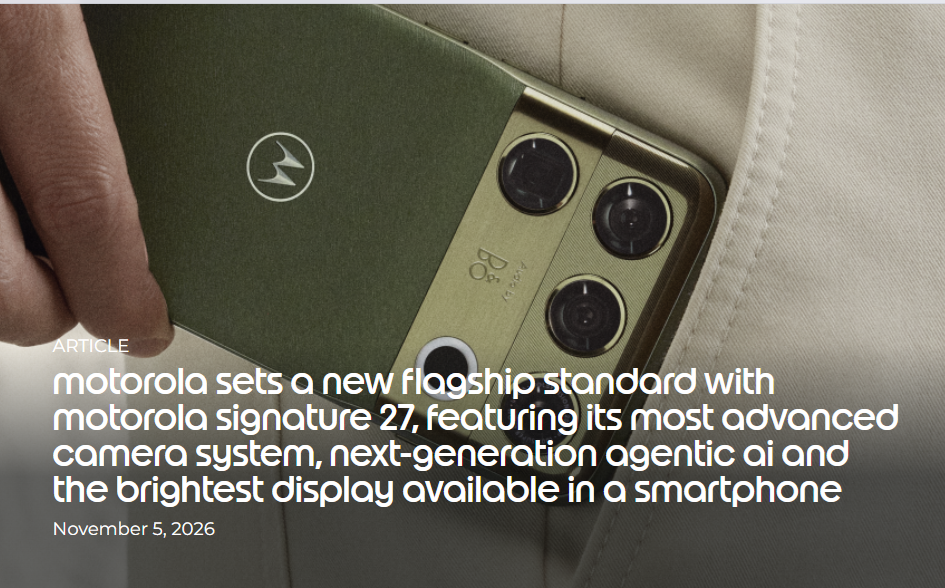
This is not simply another Android theme or a collection of privacy apps. GrapheneOS is an operating system built on the Android Open Source Project, with additional security protections and a different approach to Google services.
It is also worth being precise about what Motorola has announced. Support is planned; that does not mean every Signature 27 ships with GrapheneOS, or that a finished installation is available to customers right now.
Anyone considering buying one specifically for GrapheneOS should check the project’s supported-device list and release information first. I have been advised from a reliable source that you will be able to install Graphene on your Signature phone from the middle of January next year (2027).
Why the hardware matters
Until this partnership, GrapheneOS’s official production support centred on Google’s Pixel devices. There is an irony in buying Google hardware specifically to reduce dependence on Google’s software, although Pixels have offered the security features GrapheneOS needs.
Supporting another manufacturer involves considerably more than getting Android to boot. A security-focused operating system depends on the phone’s firmware, timely updates, verified boot and hardware protections. Motorola says the Signature 27 was engineered to meet GrapheneOS requirements, including support for ARM’s Memory Tagging Extension, a technology intended to help defend against certain memory-safety problems.
That is a much more substantial commitment than simply allowing enthusiasts to flash a custom ROM.
If the collaboration works, it could give buyers meaningful choice without asking them to abandon a recognised smartphone manufacturer.
What is GrapheneOS accusing Google of?
On 19 November 2026, GrapheneOS alleged that Google had been contacting Android manufacturers and pressuring them not to work with the project. It claims Google Mobile Services licensing arrangements are being used as leverage and has also criticised the growing number of Pixel-exclusive features.
Those are serious allegations, but as far as I can see currently not established findings. The publicly available reporting has not independently demonstrated that Google threatened manufacturers, and no named manufacturer has publicly verified the specific claims in the material reviewed here and on this video regarding the Google issue. GrapheneOS has also suggested Google might restrict Pixel bootloader unlocking in future. That is a concern expressed by the project, and there is no evidence of it being an announced Google policy.
The timing is striking and extremely concerning however: GrapheneOS is preparing to expand beyond Pixels just as it says support from other manufacturers is being discouraged.
A familiar argument about Android
The tension between open-source Android and Google’s commercial ecosystem is not new. In July 2026, the EU’s highest court upheld a roughly €4.1 billion fine against Google over historical Android-related competition practices. The case included anti-fragmentation agreements that restricted manufacturers from selling certain non-Google-approved Android variants.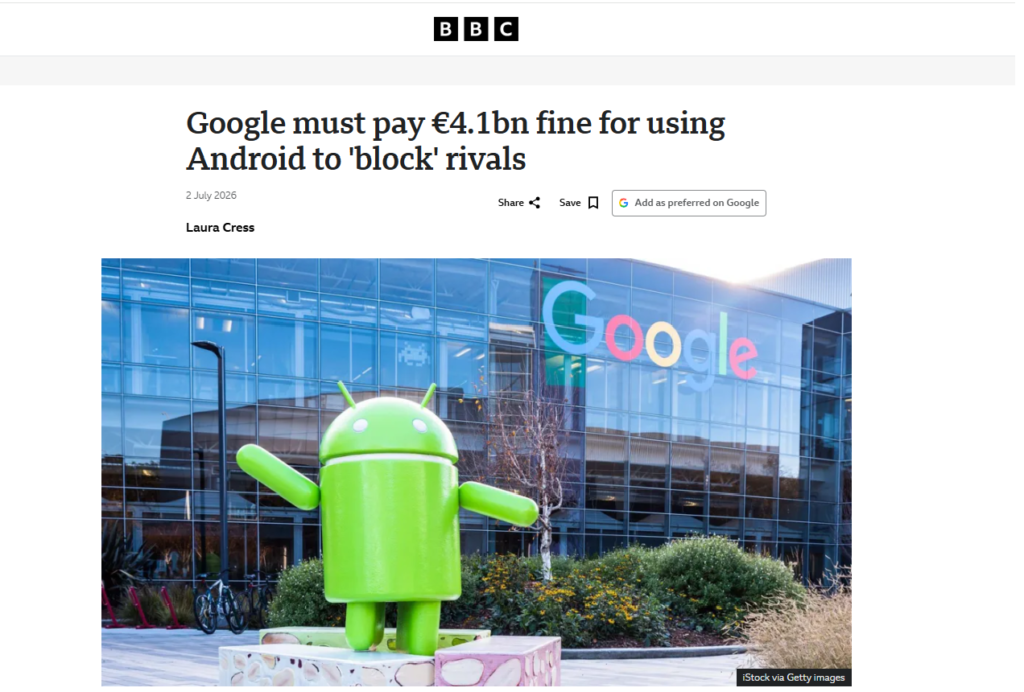
That ruling does not prove GrapheneOS’s latest accusations. It does show why licensing terms and manufacturer freedom are legitimate subjects of scrutiny.
What should smartphone buyers take away?
There is no reason to assume your current Android phone is suddenly less secure, or that standard Android is unsuitable for ordinary users. The practical question is whether the market will support more than one credible software experience.
Motorola’s involvement is a welcome test of that possibility. We will have a clearer picture when compatible GrapheneOS software is actually available, users can test it, and any response to the Google allegations emerges.
Until then, this is less a reason to panic about Android and more a reason to pay attention to who gets to decide what software our phones can run.